

- Introduction
- Why Tradition And Modern Society Matter To Voters
- What Tradition Means In Public Debate
- What Modern Society Means
- Public Opinion Can Be Divided
- Social Media Can Shape The Debate
- Online Polls And Public Views
- Respecting Culture Without Ignoring Change
- Tradition In Family Life
- Tradition In Education
- Tradition And Public Policy
- Community Views Matter
- Avoiding Cultural Stereotypes
- How To Compare Different Opinions
- The Role Of Respectful Dialogue
- Tradition, Modern Society, And Young People
- Tradition, Modern Society, And Older Generations
- Common Mistakes Voters Should Avoid
- Simple Checklist For Voters
- Conclusion
- FAQ
- What Does Tradition And Modern Society Mean?
- Why Should Voters Care About Tradition And Modern Society?
- Can Tradition And Modern Society Work Together?
- How Does Social Media Affect This Debate?
- Should Voters Always Support Tradition?
- Should Voters Always Support Modern Change?
- How Can Voters Discuss Cultural Issues Respectfully?
- Why Are Community Views Important?
- What Is A Good Poll Question For This Topic?
- What Is The Best Voter Mindset?
Introduction
Tradition And Modern Society often meet in public debate. People may agree that culture, family values, community habits, faith, language, festivals, and local customs are important. At the same time, many people also want fairness, technology, education, equal opportunity, personal freedom, and modern public services.
For voters, this balance can become an important issue. Questions about schools, family life, public policy, community rules, cultural events, online behaviour, social media, and national identity can all involve tradition and modern social change.
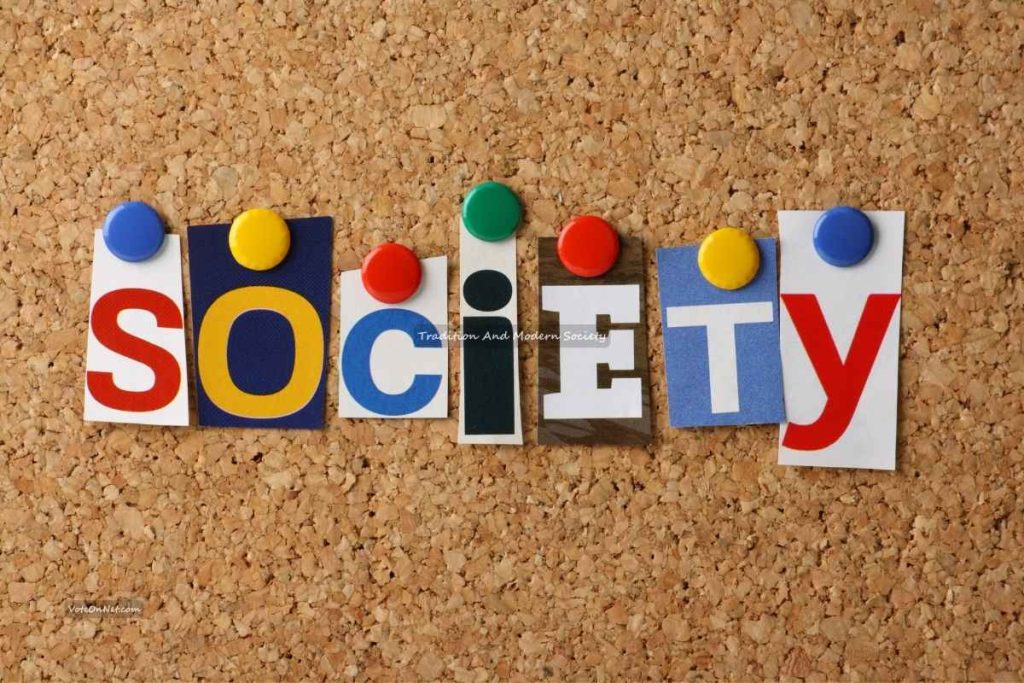
This guide explains what voters should know about Tradition And Modern Society in a simple and balanced way. It is not written to support one political side. It is written to help readers think more clearly, ask better questions, and join respectful public discussion.
👉 “Readers exploring culture and beliefs in public debate may also enjoy learning about Local Festivals And Events Across Asia.”
Why Tradition And Modern Society Matter To Voters
Tradition And Modern Society matter because they shape how people understand community life. Some voters want leaders to protect long-standing values and cultural practices. Others want society to adapt faster to new challenges, new technology, and changing lifestyles.
Many voters are somewhere in the middle. They may value tradition but also support modern solutions. They may want cultural respect without unfair treatment. They may want progress without losing identity.
This topic can affect public opinion on:
- Education
- Family life
- Cultural festivals
- Religious customs
- Gender roles
- Community rules
- Public holidays
- Social media behaviour
- Local identity
- Youth culture
- Immigration
- Technology
- Public services
- Law and policy
- National values
A healthy debate should not treat tradition and modern life as enemies. The better question is how society can respect the past while responding wisely to the present.
What Tradition Means In Public Debate
Tradition can mean different things to different people. For some, it means family customs, local festivals, religious practices, language, food, clothing, respect for elders, or community rituals. For others, it means national identity, history, moral values, or ways of life passed down through generations.

Tradition can provide:
- Belonging
- Identity
- Continuity
- Community pride
- Shared memory
- Respect for elders
- Cultural education
- Social connection
- Moral guidance
- Local uniqueness
But tradition can also become complicated. Some traditions may feel meaningful to one group but restrictive to another. Some may need to be adapted when society changes. Some may be misunderstood by younger generations.
When voters discuss Tradition And Modern Society, they should ask what tradition protects, who benefits, who may feel excluded, and whether a practice can be preserved in a fair and respectful way.
What Modern Society Means
Modern society often refers to the way life changes through education, technology, urban living, social media, global culture, new work patterns, modern healthcare, changing family structures, and new expectations around rights and opportunity.
Modern society may include:
- Digital communication
- Online communities
- Modern education
- New career paths
- Equal opportunity
- Public health systems
- Technology in daily life
- Changing family roles
- Urban lifestyles
- Environmental awareness
- Global culture
- Youth participation
- Online public debate
- Modern laws
- Individual choice
Modern society can bring many benefits, but it can also create pressure. People may worry about losing cultural identity, weakening family bonds, spreading misinformation, or moving too quickly without enough reflection.
The debate is not simply old versus new. It is about choosing what should be protected, what should be improved, and what should change.
Public Opinion Can Be Divided
Public opinion about Tradition And Modern Society is often divided because people have different life experiences. Age, education, religion, location, income, family background, and online media habits can all shape opinions.
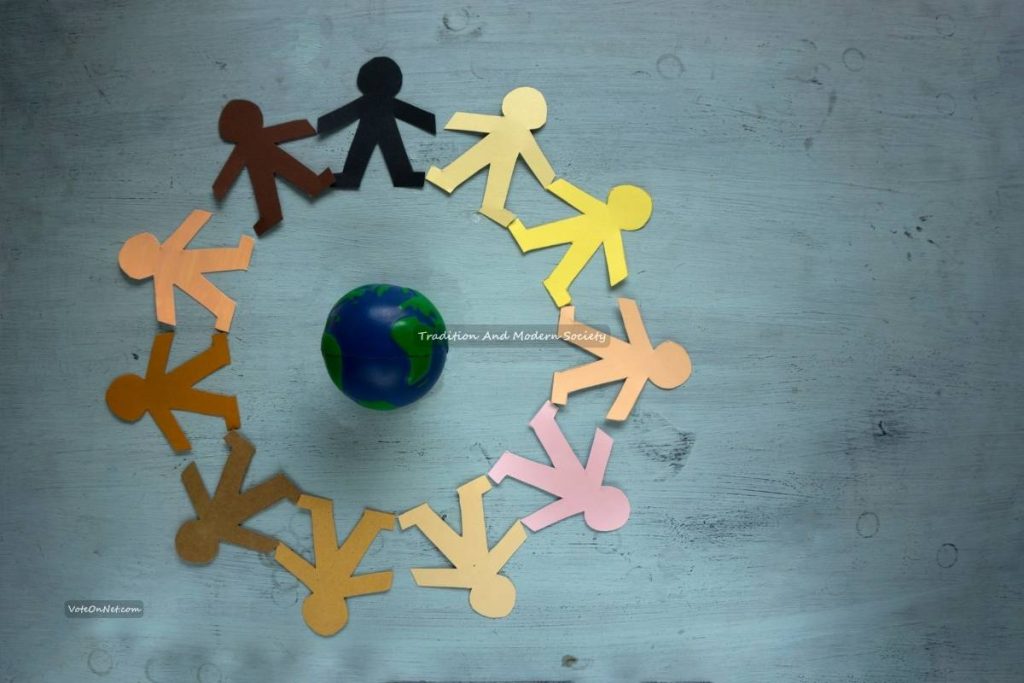
For example, older voters may value stability and familiar customs. Younger voters may care more about flexibility, technology, equality, or global trends. Rural communities may see tradition differently from urban communities. Families may disagree across generations.
This does not mean one side is always right and the other is wrong. It means voters should listen carefully before forming strong opinions.
Good public debate begins with questions such as:
- What does this tradition mean to the community?
- Why do some people want change?
- Who may be affected by this policy?
- Is there a respectful compromise?
- Are we discussing facts or emotions?
- Are online opinions making the issue more extreme?
- What do local people actually think?
Voters should avoid turning complex cultural questions into simple slogans.
Social Media Can Shape The Debate
Social media has changed how people discuss Tradition And Modern Society. A local issue can become national or even international very quickly. A short video, comment, image, or headline can create strong reactions before people understand the full context.
Social media can help people:
- Share community views
- Learn about cultural issues
- Join public discussion
- Raise awareness
- Hear younger voices
- Organise local action
- Challenge unfair practices
- Protect traditions
- Question outdated ideas
But it can also create problems:
- Misinformation
- Anger
- Out-of-context clips
- Online pressure
- Personal attacks
- Group conflict
- Fear-based messaging
- Simplified arguments
- Fake accounts
- Emotional reactions
Voters should be careful when using social media as a main source of information. It is useful for seeing public mood, but it should not replace careful thinking.
Online Polls And Public Views
Online polls can help people see what others think, especially on public opinion platforms. They can make debates about Tradition And Modern Society more visible and interactive.
Online polls may ask:
- Should schools teach more traditional culture?
- Should old customs change with modern life?
- Should public holidays protect cultural traditions?
- Should young people have more influence in social policy?
- Should online platforms protect cultural expression?
- Should communities vote on local cultural events?
- Should traditional values guide modern law?
- Should public policy focus more on equality or heritage?
However, online polls are not the same as official elections or scientific surveys. The results may depend on who sees the poll, who chooses to vote, and how the question is written.
Voters should use online polls as a conversation starter, not as the only evidence.
Respecting Culture Without Ignoring Change
One of the biggest challenges in Tradition And Modern Society is finding a balance between respect and change.
Respecting tradition does not mean every old practice must continue forever. Supporting modern society does not mean every tradition should disappear.
A balanced view may ask:
- Can this tradition continue in a more inclusive way?
- Can young people be invited into the conversation?
- Can the meaning of a tradition be preserved while the practice changes?
- Can communities protect identity without limiting others?
- Can modern policy respect local culture?
- Can public debate avoid mocking traditional beliefs?
This kind of thinking helps voters move beyond conflict.
Tradition In Family Life
Family life is often where tradition feels strongest. People may have expectations about marriage, parenting, respect for elders, household roles, festivals, education, and responsibility.
Modern society may change family life through:
- Different work schedules
- Smaller families
- Urban living
- Online education
- More women in the workforce
- Later marriage
- International relationships
- Different parenting styles
- New views on children’s rights
- Greater individual choice
Voters may disagree about which changes are positive or negative.
A useful question is not only “Should tradition stay?” but also “How can families stay connected while adapting to modern life?”
Tradition In Education
Education is another area where Tradition And Modern Society often meet. Some voters want schools to teach more history, language, culture, ethics, and respect for local customs. Others want more focus on technology, science, global skills, critical thinking, and modern careers.
A strong education system may need both.
Students can learn:
- Local history
- Cultural respect
- Civic responsibility
- Digital literacy
- Critical thinking
- Science and technology
- Language skills
- Community values
- Media awareness
- Respectful debate
Education can help young people understand where they come from while preparing them for modern society.
Tradition And Public Policy
Public policy can affect traditions in many ways. Laws, school rules, funding, public holidays, cultural programs, tourism policy, family policy, and media rules can all influence how traditions survive or change.
Voters should ask:
- Does this policy respect cultural identity?
- Does it treat different groups fairly?
- Does it protect individual rights?
- Does it help communities?
- Does it create unnecessary division?
- Does it support young people?
- Does it protect vulnerable groups?
- Does it solve a real problem?
- Does it have long-term consequences?
Policy debates about Tradition And Modern Society should be based on more than emotion. They should include fairness, evidence, and community input.
Community Views Matter
Community views are important because traditions usually belong to real people, not only political speeches or online debates. A tradition may have deep meaning for a local community, even if outsiders do not fully understand it.
Voters should listen to:
- Elders
- Young people
- Parents
- Teachers
- Local leaders
- Cultural groups
- Religious communities
- Small business owners
- Artists
- Workers
- Minority groups
- Women’s voices
- Local residents
Good public discussion should include the people most affected.
When voters listen only to the loudest voices, they may miss quieter community concerns.
Avoiding Cultural Stereotypes
A common mistake in debates about Tradition And Modern Society is stereotyping. People may describe a tradition as backward without understanding it. Others may describe modern values as dangerous without understanding why people support them.
Stereotypes make debate weaker.
Avoid saying:
- All young people reject tradition
- All older people reject change
- All traditional customs are harmful
- All modern ideas are better
- All social media opinions are shallow
- All local communities think the same
- All cultural change is disrespectful
Real communities are more complex than that.
Voters should ask people what they mean instead of assuming.
How To Compare Different Opinions
When people disagree about Tradition And Modern Society, voters can compare opinions more carefully.
Ask:
- What facts support this view?
- What values are behind this opinion?
- Who is affected by this issue?
- Is the speaker using fear or evidence?
- Is the source reliable?
- Is the issue being oversimplified?
- Are there alternative solutions?
- What happens if nothing changes?
- What happens if change happens too quickly?
- Can both sides protect something important?
This approach helps voters think beyond emotional reactions.
The Role Of Respectful Dialogue
Respectful dialogue is important because cultural topics can feel personal. People may connect tradition with identity, family, faith, memory, or national pride. Others may connect modern change with dignity, fairness, opportunity, and freedom.
Good dialogue means:
- Listening before responding
- Asking honest questions
- Avoiding insults
- Not mocking beliefs
- Separating people from policies
- Checking facts
- Admitting uncertainty
- Respecting lived experience
- Avoiding online harassment
- Looking for common ground
Voters do not need to agree with everyone. But respectful discussion helps society handle disagreement without unnecessary division.
Tradition, Modern Society, And Young People
Young people often live between tradition and modern society. They may respect family customs while also using global media, learning new ideas, joining online communities, and questioning old expectations.
This can create tension, but it can also create renewal.
Young people may help:
- Preserve culture in new formats
- Share traditions online
- Challenge unfair practices
- Create modern cultural events
- Learn old languages or crafts
- Connect local identity with global life
- Ask new questions
- Bring fresh energy to civic debate
Voters should not ignore young voices. They are part of the future of tradition.
Tradition, Modern Society, And Older Generations
Older generations often carry memory, experience, language, stories, and cultural knowledge. Their voices matter too.
They may help communities remember:
- Local history
- Family stories
- Traditional skills
- Cultural meanings
- Past struggles
- Community values
- Long-term lessons
Modern society can benefit from older generations when their experience is respected.
At the same time, older generations may also need space to hear why younger people want change. Mutual respect is important.
Common Mistakes Voters Should Avoid
Voters should avoid common mistakes when thinking about Tradition And Modern Society.
Avoid:
- Believing every viral post
- Treating tradition as automatically good or bad
- Treating modern change as automatically good or bad
- Ignoring minority voices
- Mocking cultural beliefs
- Refusing to listen to young people
- Refusing to listen to elders
- Sharing content without checking context
- Voting based only on fear
- Ignoring long-term effects
- Confusing personal preference with public policy
- Assuming one solution fits every community
A careful voter looks for context, evidence, and human impact.
Simple Checklist For Voters
Before forming an opinion, ask:
- Do I understand the tradition being discussed?
- Do I know why some people want change?
- Have I listened to more than one side?
- Is my source reliable?
- Am I reacting to facts or emotion?
- Who benefits from this policy?
- Who may be harmed?
- Is there a fair compromise?
- Does this protect community identity?
- Does this respect individual dignity?
- Does this support long-term social trust?
- Can I explain my view respectfully?
This checklist can help voters discuss Tradition And Modern Society with more clarity.
👉 “Readers interested in public opinion topics may also enjoy this video about Culture And Beliefs In Public Debate.”
Conclusion
Tradition And Modern Society are not simple opposites. Tradition can provide identity, belonging, memory, and community strength. Modern society can bring fairness, technology, opportunity, education, and new ways of solving problems.
For voters, the challenge is to think carefully about both. A healthy society does not need to erase the past or reject the future. It needs public discussion that respects culture while also asking whether laws, customs, and policies are fair, practical, and inclusive.
Voters should listen to community views, check information, avoid stereotypes, and think about long-term effects. They should also remember that cultural debate is not only about winning arguments. It is about building a society where people can live together with respect.
By understanding Tradition And Modern Society more clearly, voters can make better decisions and join public debate with more confidence.
FAQ
What Does Tradition And Modern Society Mean?
Tradition And Modern Society refers to the relationship between long-standing cultural values, customs, and community practices and the newer ideas, technologies, rights, and lifestyles that shape modern life.
Why Should Voters Care About Tradition And Modern Society?
Voters should care because this topic can affect education, family policy, cultural programs, public values, community rules, social media debate, and national identity.
Can Tradition And Modern Society Work Together?
Yes. Many communities preserve important traditions while adapting them to modern needs, younger generations, and fairer public expectations.
How Does Social Media Affect This Debate?
Social media can spread awareness and give people a voice, but it can also spread misinformation, anger, stereotypes, and out-of-context content.
Should Voters Always Support Tradition?
Not always. Voters should ask whether a tradition supports community wellbeing, respects people fairly, and fits modern social needs.
Should Voters Always Support Modern Change?
Not always. Modern change should also be examined carefully to see whether it is fair, practical, respectful, and useful.
How Can Voters Discuss Cultural Issues Respectfully?
They can listen first, avoid insults, check facts, ask honest questions, respect lived experience, and separate people from policies.
Why Are Community Views Important?
Community views matter because traditions are connected to real people, local identity, family memory, cultural meaning, and daily life.
What Is A Good Poll Question For This Topic?
A good poll question could be: “Should society protect traditional values more, adapt them to modern life, or balance both equally?”
What Is The Best Voter Mindset?
The best voter mindset is careful, respectful, informed, and open to both cultural meaning and modern social needs.