

- Introduction
- Why Culture And Beliefs Matter In Public Debate
- What Culture Means In Debate
- What Beliefs Mean In Debate
- Public Opinion And Cultural Values
- Why People Disagree About The Same Topic
- The Role Of Online Voting
- Writing Better Poll Questions About Culture And Beliefs
- Respectful Discussion
- Avoiding Stereotypes
- Listening To Different Perspectives
- Separating People From Opinions
- Facts, Values, And Personal Experience
- Cultural Change And Public Reaction
- Generational Differences
- Religion And Public Debate
- Family Values In Public Debate
- Media And Cultural Beliefs
- Community Views
- When Debate Becomes Harmful
- How To Vote Thoughtfully On Culture And Belief Topics
- How To Comment Respectfully
- Useful Poll Ideas For Voteonnet.com
- Common Mistakes To Avoid
- Simple Checklist For Better Public Debate
- Conclusion
- FAQ
- What Is Culture And Beliefs In Public Debate?
- Why Do Culture And Beliefs Matter In Public Debate?
- How Can Online Voting Help Public Debate?
- How Can I Discuss Culture And Beliefs Respectfully?
- Why Do People Disagree About Cultural Topics?
- What Are Common Mistakes In Cultural Debate?
- Should Beliefs Influence Public Opinion?
- How Can I Vote Thoughtfully On Sensitive Topics?
- Can People Disagree Without Being Disrespectful?
- What Poll Topics Fit Culture And Beliefs In Public Debate?
Introduction
Culture and beliefs shape the way people think, speak, vote, disagree, and respond to public issues. In many debates, people are not only discussing facts. They are also reacting from personal values, family background, community identity, religion, traditions, life experience, education, and social expectations.
Culture And Beliefs In Public Debate can make conversations meaningful, but they can also make them sensitive. Some topics feel personal because they are connected to identity, history, morality, faith, family, or community life.
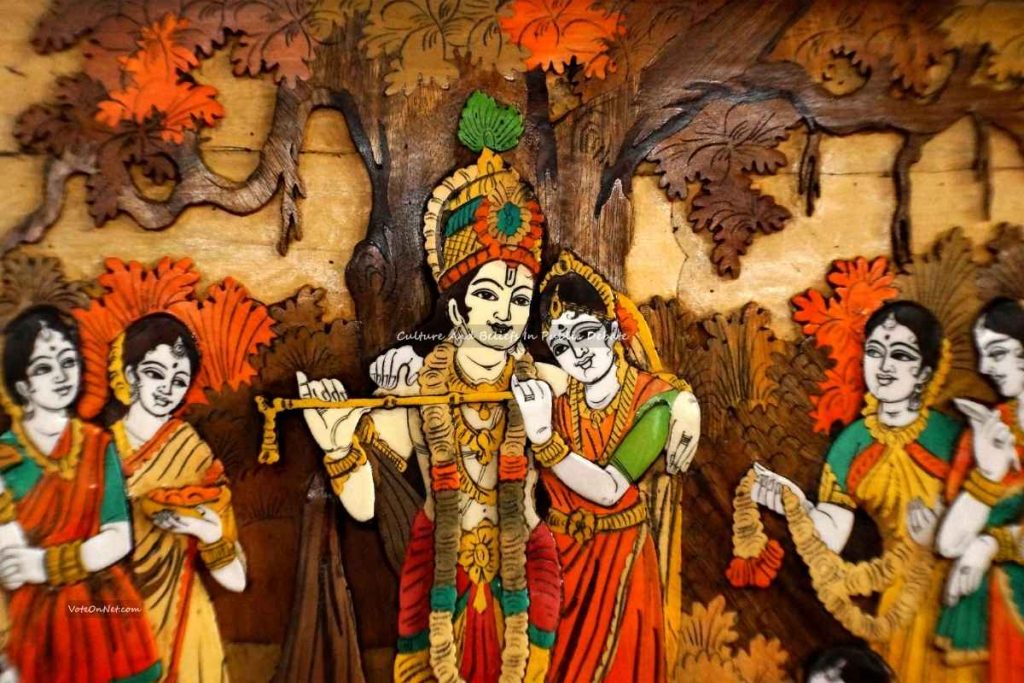
For a public opinion site like voteonnet.com, this matters because online voting and community discussions often include questions about social values, traditions, rights, lifestyle choices, public behaviour, media, education, family, and change. Understanding culture and beliefs can help people vote more thoughtfully and debate more respectfully.
👉 “Readers exploring culture and beliefs in public debate may also enjoy learning about Local Festivals And Events Across Asia.”
Why Culture And Beliefs Matter In Public Debate
Public debate is not only about who is right or wrong. It is also about how people understand the world. Culture and beliefs influence what people see as fair, respectful, normal, harmful, traditional, modern, acceptable, or controversial.
Culture And Beliefs In Public Debate may influence opinions about:
- Family life
- Education
- Religion
- Media
- Gender roles
- Community rules
- Public behaviour
- Festivals
- National identity
- Immigration
- Language
- Social change
- Online content
- Children and parenting
- Personal freedom
Two people may hear the same question but understand it differently because they come from different cultural or belief backgrounds.
This is why respectful debate needs more than strong opinions. It also needs listening, context, and patience.
What Culture Means In Debate
Culture can include shared customs, language, food, traditions, holidays, family roles, manners, social expectations, and ways of showing respect.
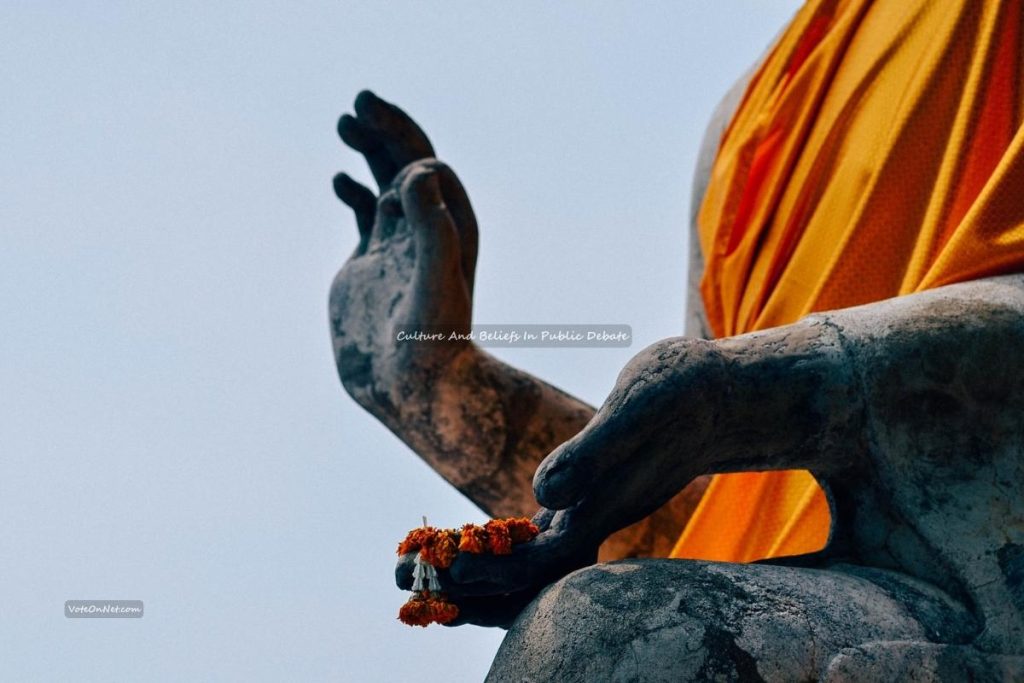
Culture may come from:
- Country
- Region
- Religion
- Ethnic background
- Family tradition
- Local community
- School environment
- Workplace culture
- Online communities
- Generation
- Social class
- Migration experience
In public debate, culture can affect what people value and how they express disagreement.
For example, some cultures may place strong importance on community harmony. Others may place more emphasis on individual freedom. Some people may prefer direct debate, while others may avoid public disagreement to protect relationships.
A simple guide to Culture And Beliefs In Public Debate should help readers notice these differences without turning them into stereotypes.
What Beliefs Mean In Debate
Beliefs are the ideas people hold about life, right and wrong, society, responsibility, fairness, faith, identity, and personal choice.
Beliefs may be shaped by:
- Religion
- Family
- Education
- Personal experience
- Media
- Community
- Friends
- Political ideas
- Cultural traditions
- Moral values
- Professional background
- Online information
Beliefs can be deeply personal. When debates touch on beliefs, people may react emotionally because they feel something important is being questioned.
This does not mean belief-based debate should be avoided. It means the debate should be handled with care.
Public Opinion And Cultural Values
Public opinion is often influenced by cultural values. People may vote or comment based on what feels right according to their values, not only based on facts or statistics.

For example, a debate about school rules may involve beliefs about discipline, childhood, freedom, safety, and respect for teachers.
A debate about media content may involve beliefs about creativity, censorship, family values, children’s protection, and freedom of expression.
A debate about public holidays may involve cultural identity, religion, national history, and community belonging.
Culture And Beliefs In Public Debate often explain why some topics create strong reactions even when they seem simple at first.
Why People Disagree About The Same Topic
People disagree because they start from different assumptions.
A public debate may include different views about:
- What is fair
- What is respectful
- What is harmful
- What should change
- What should be protected
- What belongs in public life
- What should stay private
- What children should learn
- What traditions should continue
- What rules should exist
- Who should decide
People may also disagree because they trust different sources of information.
One person may trust official institutions. Another may trust family experience. Another may trust religious leaders. Another may trust online communities. Another may trust personal freedom above group expectations.
This is why online voting can be interesting. It shows how many different views may exist around one question.
The Role Of Online Voting
Online voting can help people express opinions quickly and safely. It can also show how divided or united a community may be on a topic.
For voteonnet.com, online voting can support public debate by helping users see:
- What people think
- Which opinions are common
- Which topics divide people
- Which values matter most
- How views change over time
- Where public reactions are strong
- Which questions need deeper discussion
Online voting does not replace thoughtful conversation, but it can open the door to it.
Culture And Beliefs In Public Debate can be explored through polls when questions are written clearly and neutrally.
Writing Better Poll Questions About Culture And Beliefs
Poll questions about culture and beliefs should be careful. Poor wording can make people feel attacked or misrepresented.
A good poll question should be:
- Clear
- Neutral
- Respectful
- Easy to understand
- Not insulting
- Not leading
- Not based on stereotypes
- Open to different views
- Focused on one issue
- Safe for discussion
Instead of asking:
“Why are people wrong about this tradition?”
Ask:
“Should this tradition continue in modern public life?”
Instead of asking:
“Do modern people disrespect culture?”
Ask:
“Do you think modern lifestyles are changing traditional values too quickly?”
Good wording helps create better public debate.
Respectful Discussion
Respectful discussion does not mean everyone must agree. It means people can disagree without personal attacks, insults, mockery, or stereotypes.
Respectful public debate includes:
- Listening before responding
- Avoiding personal insults
- Asking honest questions
- Explaining your view clearly
- Recognising different experiences
- Avoiding stereotypes
- Not mocking religion or culture
- Staying focused on the topic
- Accepting that people may disagree
- Using evidence when possible
- Keeping tone calm
- Avoiding assumptions
Culture And Beliefs In Public Debate can be sensitive, so respectful tone matters.
Avoiding Stereotypes
Stereotypes make debate weaker. They reduce people to simple labels and ignore individual experience.
Avoid phrases like:
- “People from that culture always…”
- “Religious people never…”
- “Young people all think…”
- “Older people cannot understand…”
- “Everyone in that country believes…”
- “Modern people do not care…”
- “Traditional people are all…”
Better phrases include:
- “Some people believe…”
- “In some communities…”
- “This may depend on background…”
- “Different families may see this differently…”
- “Views can vary by generation…”
- “There are many perspectives…”
This makes public discussion more accurate and fair.
Listening To Different Perspectives
Listening is one of the most important skills in public debate. It helps people understand why others think differently.
Good listening means asking:
- What values are behind this opinion?
- What experience shaped this view?
- What concern is the person expressing?
- Is this about identity, safety, fairness, or tradition?
- What part of the topic feels most important to them?
- Is there any common ground?
- What do I not understand yet?
When discussing Culture And Beliefs In Public Debate, listening can prevent misunderstandings and reduce conflict.
Separating People From Opinions
It is possible to disagree with an opinion without attacking the person who holds it.
A healthier approach is:
“I disagree with that idea because…”
Instead of:
“Only bad people think that…”
This distinction matters. Public debate becomes more useful when people focus on ideas, arguments, evidence, and values rather than personal attacks.
People are more likely to listen when they do not feel humiliated.
Facts, Values, And Personal Experience
Many public debates include a mix of facts, values, and personal experience.
Facts may answer:
- What happened?
- What does the data show?
- What law or rule exists?
- What did a source say?
Values may answer:
- What should matter most?
- What feels fair?
- What should society protect?
- What is acceptable?
Personal experience may answer:
- What happened to me?
- How did this affect my family?
- What have I seen in my community?
Strong debate should recognise all three, while also being careful not to treat one person’s experience as the whole truth for everyone.
Cultural Change And Public Reaction
Culture is not fixed. It changes over time. New technology, migration, education, media, economic pressure, family changes, and global communication can all affect cultural beliefs.
Some people welcome change. Others worry that traditions are being lost.
This can create debate around:
- Modern lifestyles
- Family roles
- Education
- Religious expression
- Social media
- Public behaviour
- Language use
- Youth culture
- Traditional festivals
- Marriage and relationships
- Work-life balance
- Community responsibilities
Culture And Beliefs In Public Debate often become most emotional when people feel that something important is changing too quickly.
Generational Differences
Age can shape public opinion. Younger and older people may see the same issue differently because they grew up with different experiences.
Generational debates may involve:
- Social media use
- Family expectations
- Education styles
- Dating and marriage
- Work culture
- Religion
- Gender roles
- Entertainment
- Public manners
- Technology
- Political participation
This does not mean all young people think one way or all older people think another. But generation can influence perspective.
Good debate allows different age groups to explain their views without disrespect.
Religion And Public Debate
Religion can be a sensitive part of public debate because it is connected to belief, community, identity, worship, morality, and tradition.
Debates involving religion may include:
- Religious holidays
- Public symbols
- Education
- Clothing
- Food rules
- Family values
- Public events
- Freedom of belief
- Respect for sacred places
- Media representation
When discussing religion, it is important to avoid mockery, insults, or broad assumptions.
People can discuss public rules and social issues while still respecting personal faith.
Family Values In Public Debate
Family values are often part of culture and beliefs. People may have strong views about parenting, marriage, education, respect for elders, children’s behaviour, work-life balance, and family responsibility.
Debates about family values may ask:
- Should schools teach certain topics?
- How much freedom should children have online?
- Should traditions be passed to children?
- What role should grandparents play?
- How should families balance work and childcare?
- What responsibilities do parents have?
- How should communities support families?
These debates can become emotional because family is personal.
A respectful approach helps people discuss family topics without judging others too harshly.
Media And Cultural Beliefs
Media can shape how culture and beliefs are discussed. News stories, social media posts, films, influencers, podcasts, and comment sections can all influence public opinion.
Media can help by:
- Sharing different voices
- Explaining social issues
- Highlighting ignored communities
- Encouraging public discussion
- Making information easier to access
Media can also create problems by:
- Oversimplifying complex topics
- Spreading stereotypes
- Encouraging outrage
- Rewarding extreme opinions
- Sharing misleading information
- Turning sensitive topics into entertainment
For this reason, Culture And Beliefs In Public Debate should be discussed carefully online.
Community Views
Community views can influence how people vote and debate. People often learn values from family, neighbours, schools, religious communities, workplaces, and online groups.
Community views may provide belonging and shared identity. But they can also create pressure to agree.
A thoughtful person can respect their community while still thinking carefully.
Questions to ask include:
- Why does my community see this issue this way?
- Are there different views inside the community?
- What voices are missing?
- Does this opinion respect others?
- Is there evidence to consider?
- What would people outside my group say?
This can lead to more balanced public debate.
When Debate Becomes Harmful
Public debate can become harmful when it turns into personal attacks, hate, harassment, stereotypes, or dehumanising language.
Warning signs include:
- Insults
- Mockery
- Threats
- Group blaming
- Religious hatred
- Racial stereotypes
- Personal humiliation
- False claims about a group
- Refusal to listen
- Aggressive language
- Pressure to silence others unfairly
A healthy debate challenges ideas. It does not attack people’s dignity.
How To Vote Thoughtfully On Culture And Belief Topics
Online voting can be quick, but thoughtful voting is better.
Before voting, ask:
- Do I understand the question?
- Is the wording fair?
- Am I reacting emotionally?
- Do I know enough about the issue?
- Have I considered another viewpoint?
- Is this about fact, value, or personal preference?
- Would I explain my vote respectfully?
- Am I making assumptions about a group?
- Does my vote match my real values?
These questions can make online voting more meaningful.
How To Comment Respectfully
If a voting platform allows comments, respectful comments can improve the discussion.
Good comments often:
- Explain the reason for the vote
- Avoid insulting others
- Focus on the question
- Use personal experience carefully
- Ask thoughtful questions
- Acknowledge complexity
- Avoid stereotypes
- Stay calm
- Add useful information
- Invite discussion
A respectful comment can disagree strongly without attacking people.
Useful Poll Ideas For Voteonnet.com
This article can support many public opinion questions.
Possible poll ideas include:
- Should traditions change with modern society?
- Do cultural beliefs influence public voting?
- Should schools teach more about different cultures?
- Is online debate becoming less respectful?
- Should religious beliefs influence public policy?
- Do people listen enough to opposing views?
- Are social values changing too quickly?
- Should public platforms moderate cultural debates more strictly?
- Can online voting show real community opinion?
- Do people judge cultural differences too quickly?
These poll ideas fit voteonnet.com because they invite reflection and discussion.
Common Mistakes To Avoid
Treating Culture As Simple
Culture is complex and changes over time.
Assuming Everyone In A Group Thinks The Same
People within the same culture or religion may have very different opinions.
Mocking Beliefs
Mockery usually makes debate worse.
Using Stereotypes
Stereotypes reduce people to labels and weaken discussion.
Ignoring Evidence
Values matter, but facts still matter too.
Reacting Too Quickly
Some topics need time and reflection.
Confusing Disagreement With Disrespect
People can disagree respectfully.
Simple Checklist For Better Public Debate
Before joining a debate about culture and beliefs, check:
- I understand the topic
- I know my own values
- I have considered another perspective
- I am avoiding stereotypes
- I am not attacking a group
- I can explain my view calmly
- I am willing to listen
- I can separate people from opinions
- I am careful with sensitive topics
- I am open to learning
This checklist can help make public debate more thoughtful.
👉 “Readers exploring culture and beliefs in public debate may also find this article about Asian Festivals And Local Traditions.”
Conclusion
Culture And Beliefs In Public Debate shape how people understand public issues, vote online, discuss social values, and respond to change. Culture can influence ideas about family, religion, education, media, tradition, identity, public behaviour, and community life. Beliefs can shape what people see as fair, respectful, moral, or important.
Public debate becomes more useful when people listen carefully, avoid stereotypes, ask better questions, and disagree without attacking others.
For voteonnet.com, culture and belief topics can create meaningful public opinion polls because people often have different views based on background, values, and experience.
The goal is not for everyone to agree. The goal is to create better discussion, more thoughtful voting, and a respectful space where different views can be understood.
FAQ
What Is Culture And Beliefs In Public Debate?
Culture And Beliefs In Public Debate refers to how traditions, values, religion, family background, identity, and personal convictions shape public opinions and discussions.
Why Do Culture And Beliefs Matter In Public Debate?
They matter because people often vote, comment, and disagree based on values, identity, community experience, and personal beliefs, not only facts.
How Can Online Voting Help Public Debate?
Online voting can show public reactions, highlight different opinions, and help communities understand how people feel about social and cultural topics.
How Can I Discuss Culture And Beliefs Respectfully?
Listen carefully, avoid stereotypes, use calm language, ask honest questions, and focus on ideas rather than attacking people.
Why Do People Disagree About Cultural Topics?
People may disagree because they have different values, traditions, beliefs, experiences, sources of information, and views about social change.
What Are Common Mistakes In Cultural Debate?
Common mistakes include stereotyping, mocking beliefs, assuming everyone in a group thinks the same, ignoring evidence, and reacting too quickly.
Should Beliefs Influence Public Opinion?
Beliefs often influence public opinion, but debates are stronger when people also consider facts, other perspectives, and the effect on the wider community.
How Can I Vote Thoughtfully On Sensitive Topics?
Read the question carefully, consider more than one viewpoint, avoid emotional reactions, and ask whether your vote reflects your values fairly.
Can People Disagree Without Being Disrespectful?
Yes. People can disagree strongly while still using respectful language, listening, avoiding insults, and focusing on the issue.
What Poll Topics Fit Culture And Beliefs In Public Debate?
Good poll topics include traditions, social values, religious expression, cultural change, public behaviour, education, online debate, and community opinions.