

- Introduction
- Why Asian Festivals Matter To Many People
- Why Some People Think Festivals Should Be Protected
- Why Some People Think Traditions Should Change
- Are Festivals Becoming Too Commercial?
- Do Young People Still Care About Local Traditions?
- The Role Of Family In Asian Festivals
- Food, Clothing, And Festival Identity
- Tourism And Local Festivals
- Social Media And Festival Culture
- Should Schools Teach More About Local Festivals?
- Should Governments Protect Traditional Festivals?
- Local Festivals Vs Global Culture
- Why People Disagree About Festivals
- Good Poll Questions About Asian Festivals And Local Traditions
- Why This Topic Matters
- Conclusion
- FAQ
Introduction
Asian festivals are colorful, emotional, and full of meaning. They bring people together through food, music, family gatherings, religious customs, street events, local markets, and old traditions.
But people do not always see these festivals in the same way.
Some people believe Asian festivals and local traditions should be protected because they keep culture alive. Others think some traditions need to change with modern life. Some enjoy festivals as fun public events, while others see them as deep family or religious moments.
This article looks at what people may think about Asian festivals and local traditions, why opinions can be different, and how these topics can become interesting public voting questions.
👉 “learn more about traditional festivals and cultural celebrations in Asia Simple Guide To Traditional Festivals In Asia.”
Why Asian Festivals Matter To Many People
For many communities, Asian festivals are more than entertainment. They are part of identity.
Festivals can remind people of their family roots, local history, religion, language, food, and hometown traditions. They often bring older and younger generations together.
During festivals, people may visit relatives, prepare special meals, wear traditional clothing, go to temples or religious places, join parades, or take part in local ceremonies.
For many people, these actions are not just habits. They are ways to remember who they are and where they come from.
That is why many people feel strongly about protecting Asian festivals and local traditions.
Why Some People Think Festivals Should Be Protected
Many people believe traditional festivals should be protected because they carry cultural memory.
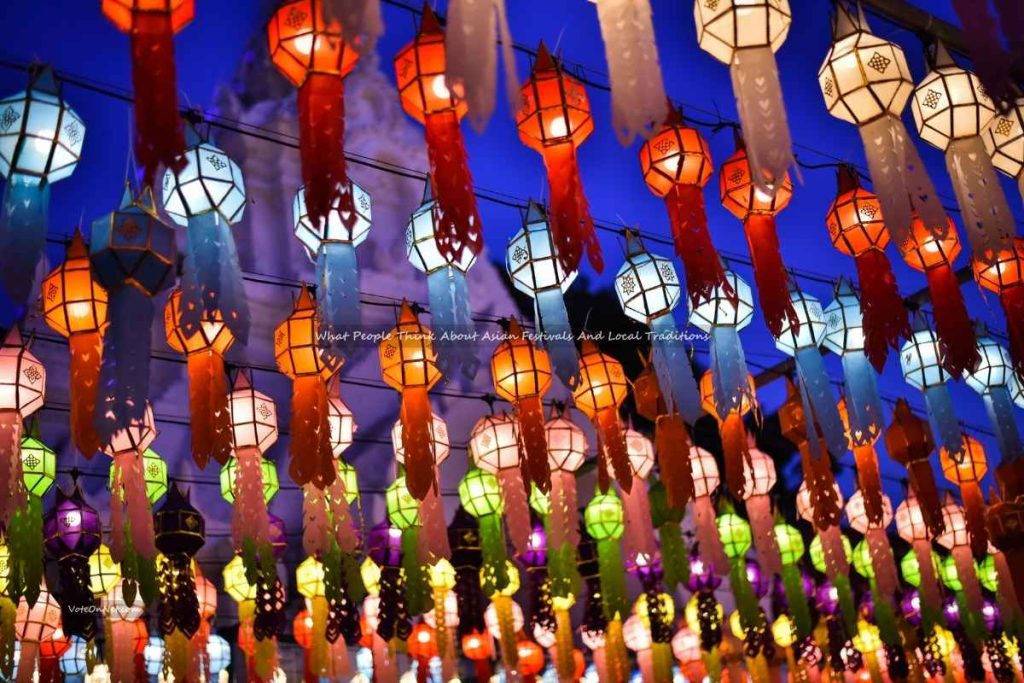
Without festivals, some local customs may slowly disappear. Old songs, dances, recipes, clothing styles, crafts, and ceremonies may be forgotten if no one continues to practice them.
Supporters of traditional festivals often believe that:
• festivals teach children about culture
• local customs help communities stay connected
• old traditions give people a sense of belonging
• festivals support local artists, cooks, performers, and small sellers
• traditions make each country or region unique
For these people, festivals are not only about the past. They are also about keeping culture alive for the future.
Why Some People Think Traditions Should Change
Not everyone believes traditions should stay exactly the same.
Some people think Asian festivals need to adapt to modern life. They may feel that some old customs are too expensive, too crowded, too commercial, or no longer practical for younger generations.
For example, people living in big cities may not have time to travel home for every festival. Families living abroad may celebrate in smaller or simpler ways. Younger people may enjoy modern music, social media trends, and public events more than old rituals.
Some people may also question whether certain traditions still fit today’s values.
This does not always mean they dislike culture. Many people simply believe traditions can survive better if they are allowed to change.
Are Festivals Becoming Too Commercial?
One common debate is whether traditional festivals are becoming too commercial.
In many places, festivals now include shopping events, tourism campaigns, concerts, hotel promotions, food markets, and social media content. This can make festivals more exciting and easier for visitors to enjoy.
However, some people worry that the deeper meaning of the festival may be lost.
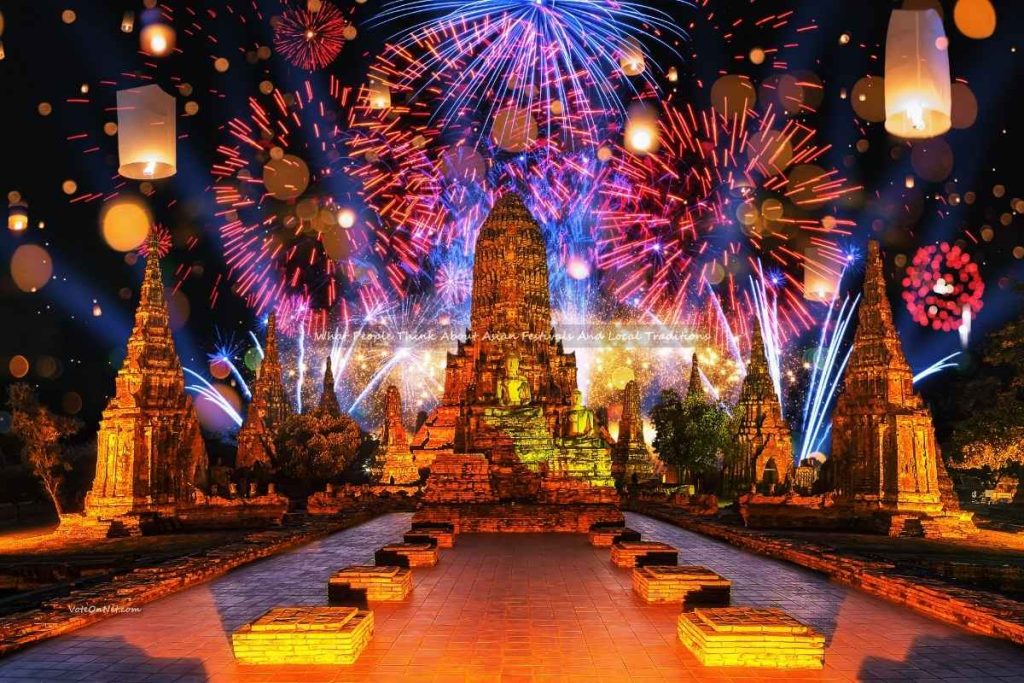
For example, a festival that began as a family or religious tradition may slowly become mainly about shopping, photos, or entertainment. Local people may feel that visitors enjoy the surface of the festival without understanding its meaning.
This creates an important question:
Should festivals grow as public entertainment, or should they stay closer to their original cultural meaning?
Do Young People Still Care About Local Traditions?
Another interesting question is whether young people still care about local traditions.
Some people believe younger generations are less interested in traditional customs because of modern lifestyles, global entertainment, and social media. They may spend more time following pop culture, online trends, or international celebrations.
But others believe young people still care about traditions, just in a different way.
They may share festival photos online, create short videos, wear traditional clothes in modern styles, or join public events with friends. They may not follow every old custom, but they still want to feel connected to culture.
This shows that tradition is not always disappearing. Sometimes it is changing form.
The Role Of Family In Asian Festivals
Family is one of the strongest parts of many Asian festivals.
Major festivals often become a time for people to return home, visit relatives, eat together, and show respect to parents or grandparents.
For some people, this is the most important part of the festival. It keeps families close and gives children a chance to learn from older generations.
But for others, family expectations during festivals can feel stressful. Travel can be expensive. Family gatherings can be tiring. Some people may feel pressure to follow customs they do not fully believe in.
This makes family traditions a good topic for public discussion.
Should family festival customs remain strong, or should people have more freedom to celebrate in their own way?
Food, Clothing, And Festival Identity
Festival food and traditional clothing are important parts of Asian celebrations.
Special dishes often have symbolic meaning. Some foods represent luck, long life, happiness, family unity, or gratitude. Preparing these foods can also become a family memory.
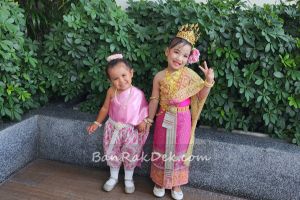
Traditional clothing can also create pride and beauty during festivals. People may wear outfits connected to their country, region, religion, or family background.
Some people believe these customs should be protected because they make festivals meaningful and unique.
Others think people should be free to mix traditional and modern styles.
This creates another good debate:
Should festival clothing and food stay traditional, or is it okay to modernize them?
Tourism And Local Festivals
Tourism can help local festivals become more famous. Visitors may spend money on hotels, food, transport, local products, tours, and event tickets. This can support small businesses and local communities.
But tourism can also create problems.
Popular festivals may become crowded. Prices may rise. Local people may feel that the festival is no longer mainly for the community. Some visitors may not understand local rules or religious customs.
This is why many people have mixed opinions about festival tourism.
Some see it as a way to support culture and local income. Others see it as a risk to tradition and community life.
Social Media And Festival Culture
Social media has changed how people experience festivals.
Platforms like TikTok, Instagram, YouTube, and Facebook can help people discover local festivals, learn about traditions, and share cultural moments with the world.
But social media can also change the purpose of a festival. Some people may focus more on photos and videos than respect or understanding.
This can lead to a modern question:
Is social media helping Asian festivals become more visible, or is it making them less meaningful?
The answer depends on how people use it.
Should Schools Teach More About Local Festivals?
Many people believe schools should teach children more about local festivals and traditions.
This could help young people understand why festivals matter, not only how they are celebrated. It could also protect local knowledge that might otherwise be lost.
Students could learn about festival history, traditional food, songs, clothing, religious meaning, family customs, and respectful behavior.
However, some people may feel that culture should be taught mainly at home or in the community, not only in school.
This is a useful public opinion topic because it connects education, family, and cultural identity.
Should Governments Protect Traditional Festivals?
Governments in many countries support festivals through public events, tourism promotion, cultural programs, and heritage projects.
Some people think this is good because festivals are part of national identity and local economy.
Others may worry that government involvement can make festivals too official, political, or commercial.
There is also the question of which festivals receive support. Large famous festivals may get attention, while smaller local traditions may be ignored.
A fair question for voters could be:
Should governments spend more money protecting local festivals and traditions?
Local Festivals Vs Global Culture
Asian societies are becoming more connected to global culture. International music, movies, fashion, food, and online trends influence daily life.
This can make local traditions feel less important to some people.
But global culture does not always destroy local culture. In many cases, people mix both. A festival may include traditional rituals in the morning and modern concerts at night. People may wear traditional clothes but share the moment on social media.
The real question is not always tradition versus modern life.
Sometimes the question is how both can exist together.
Why People Disagree About Festivals
People disagree about Asian festivals and local traditions because they experience them differently.
For some people, festivals mean family, faith, and belonging.
For others, they mean traffic, noise, cost, crowds, or pressure.
Some people see festivals as cultural treasures. Others see them as public entertainment. Some want to protect every detail. Others want to make traditions more modern and flexible.
These different opinions are normal.
That is why festivals are interesting topics for public voting and discussion.
Good Poll Questions About Asian Festivals And Local Traditions
Here are some poll ideas that fit VoteOnNet:
• Should traditional festivals in Asia be protected more strongly?
• Are Asian festivals becoming too commercial?
• Do young people still care about local traditions?
• Should schools teach more about local festivals and customs?
• Should governments spend more money supporting traditional festivals?
• Is tourism good or bad for local festivals?
• Should festival traditions stay the same or change with modern life?
• Does social media help or hurt traditional festivals?
• Should local communities control how their festivals are promoted?
• Are traditional clothes still important during festivals?
• Should religious festivals be treated differently from public cultural events?
• Is it okay to modernize old festival customs?
These questions can help people share opinions in a simple and respectful way.
Why This Topic Matters
Asian festivals and local traditions matter because they are connected to identity, memory, family, faith, and community.
They also raise modern questions about tourism, money, social media, education, and cultural change.
Some people want to protect traditions exactly as they are. Others want festivals to become more open, modern, and practical.
Both sides can have good reasons.
The important thing is to keep the discussion respectful. Festivals often mean something personal to the people who celebrate them.
👉 “Learn more about cultural festivals celebrated around the world Cultural Festivals Around the World.”
Conclusion
Asian festivals and local traditions are more than colorful events. They are part of how people remember their past, celebrate their present, and teach future generations.
But opinions about festivals are changing.
Some people want stronger protection for traditional customs. Others believe festivals should adapt to modern life. Some enjoy the entertainment side, while others worry about commercialization and tourism.
That makes this topic perfect for public discussion.
So, what do you think? Should Asian festivals and local traditions stay close to the past, or should they change with the modern world?
FAQ
Why do people care about Asian festivals?
People care about Asian festivals because they are connected to family, culture, religion, food, history, and local identity.
Are Asian festivals becoming too commercial?
Some people think so, especially when festivals focus too much on shopping, tourism, and social media. Others believe commercial activity helps local businesses and keeps festivals popular.
Do young people still care about traditional festivals?
Many young people still care, but they may celebrate in modern ways, such as sharing festival moments online or mixing traditional customs with new trends.
Is tourism good for local festivals?
Tourism can support local income and help festivals become better known. But too much tourism can also create crowds, higher prices, and loss of local meaning.
Should traditional festivals change with modern life?
Some people believe traditions should be protected. Others think they need to change to stay relevant. A balanced approach may help traditions survive while still respecting their meaning.
What is a good poll question for this topic?
A strong poll question is: Should traditional festivals in Asia stay the same, or change with modern life?