

- Introduction: Why This Question Matters to Families Today
- What Do We Mean by “Competition” in Childhood?
- The Upside: Benefits When Competition Is Designed Well
- The Downside: When Competition Turns Harmful
- Pros and Cons of Competition for Kids (At a Glance)
- Finding the Sweet Spot: How Adults Can Make Competition Healthy
- Culture & Context: Thailand, Asia, and Beyond
- Red Flags: When to Pause or Pivot
- Practical Playbook for Parents & Coaches
- Conclusion: A Balanced Answer for a Big Question
- ❓ 5 FAQs
Introduction: Why This Question Matters to Families Today
On playgrounds, in classrooms, and on youth-sports fields from Bangkok to Boston, children regularly face scoreboards, rankings, and auditions. Parents, teachers, and coaches want kids to thrive—but they often disagree about the line between motivating challenges and toxic pressure. Many families ask directly: is competition good for kids or does it chip away at confidence? In this guide, we take a practical, evidence-informed look at the pros and cons of competition for kids, weaving in cultural perspectives (including Thai and broader Asian contexts), child-development insights, and simple strategies any adult can use to nudge experiences toward “healthy.”
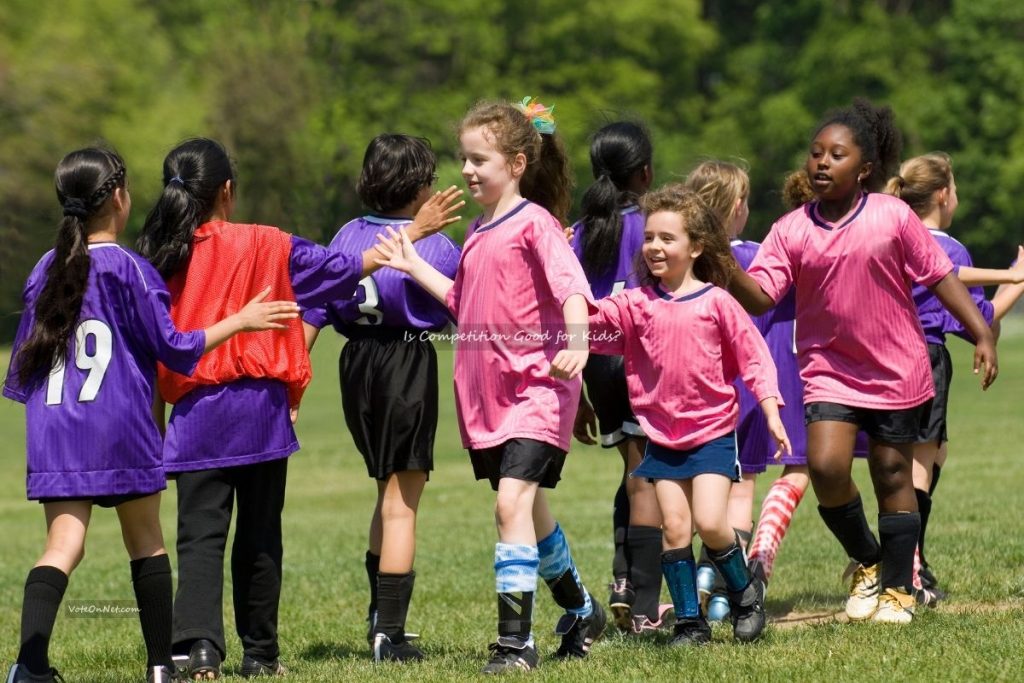
We’ll explore benefits like resilience, goal setting, and sportsmanship; real risks such as anxiety, social comparison, and burnout; and clear steps to create environments where effort is valued, inclusion is normal, and losing becomes a lesson rather than a label.
👉 “Want to help your child learn through play? Don’t miss our guide on The Benefits of Games and Toys for Kids.”
What Do We Mean by “Competition” in Childhood?
Competition shows up in multiple arenas: youth sports (football, sepak takraw, swimming), academics (spelling bees, test rankings), arts (dance recitals, music auditions), and even family game nights. Some forms foster healthy rivalry—friendly, rules-based, and growth-oriented—while others tilt toward toxic pressure, where fear of failure or adult expectations overwhelm enjoyment.
A helpful frame compares competition vs cooperation in childhood. In practice, kids need both: moments to push their personal best, and moments to collaborate. Teaching kids about healthy competition means clarifying goals (“learn the skill, not just win”), modeling fair play and sportsmanship for kids, and making sure rules feel transparent and consistent. With that foundation, competition becomes a context for learning—not a verdict on self-worth.
Parents often wonder is competition good for kids across school and sport; the honest answer is “it depends on how the adults shape it.”
The Upside: Benefits When Competition Is Designed Well
When structured thoughtfully, competition can be a powerful teacher.
Builds resilience and a growth mindset
Losing can sting—but it’s also a safe, early lesson that effort, not outcome, drives improvement. Coaches who emphasize practice habits and reflection cultivate a growth mindset for kids in sports (“I can get better with work”). That mindset flows into homework, music, and life.
Encourages goal setting and self-regulation
Clear, age-appropriate goals (“complete five consistent serves,” “read ten pages daily”) help kids monitor progress. Goal setting for young athletes nurtures planning, time management, and persistence—executive skills that transfer far beyond the field.
Strengthens social skills and sportsmanship
On teams, kids practice communication, shared responsibility, and fair play. They learn to celebrate teammates’ wins, accept calls, and apologize after fouls—micro-moments that build character and community.
Builds confidence through mastery
Winning isn’t the only confidence builder; incremental mastery is. As children see effort translate into new skills—faster sprints, stronger vocabulary—they internalize the message, “I can do hard things.”
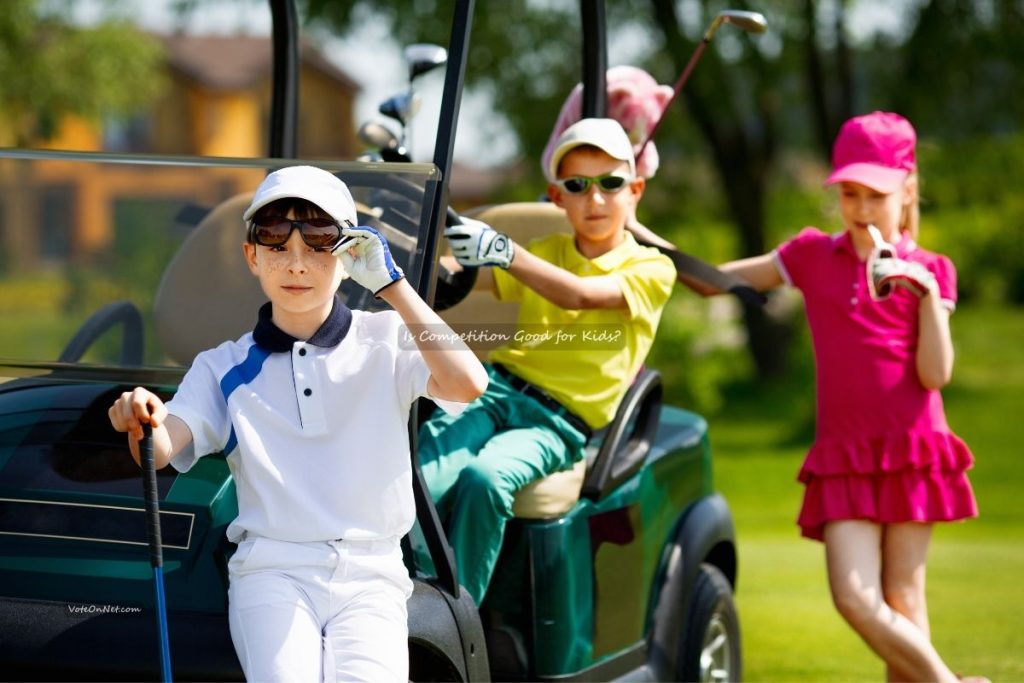
So, is competition good for kids when the scoreboard matters less than the skill? Under supportive adults who praise process, yes—competition becomes a vehicle for learning rather than a verdict on who they are.
👉 “Curious how animals can enrich family life? Check out our article on Importance of Pets in Human Life and Relationships.”
The Downside: When Competition Turns Harmful
Poorly designed or pressured environments can undermine the very qualities we hope to build.
Stress, anxiety, and fear of failure
If a child believes love or approval hinges on results, stress soars. Stress and anxiety in competitive kids often show up as stomachaches before games, sleep issues, or perfectionistic meltdowns after small mistakes.
Social comparison and perfectionism
Constant ranking amplifies comparison: “Am I better than them?” Over time, this fuels perfectionism in young athletes and can erode intrinsic motivation—kids start playing to avoid shame, not because they love the game.
Burnout and dropout
Early specialization, heavy schedules, and high-stakes tournaments can trigger youth sports burnout signs: loss of joy, chronic soreness, excuses to skip practice. When kids burn out, they often quit activity entirely.
Narrow definitions of success
If trophies are the only currency, late-bloomers, shy kids, and children with disabilities can be excluded. That’s a loss for the child—and for the team that benefits from diverse strengths.
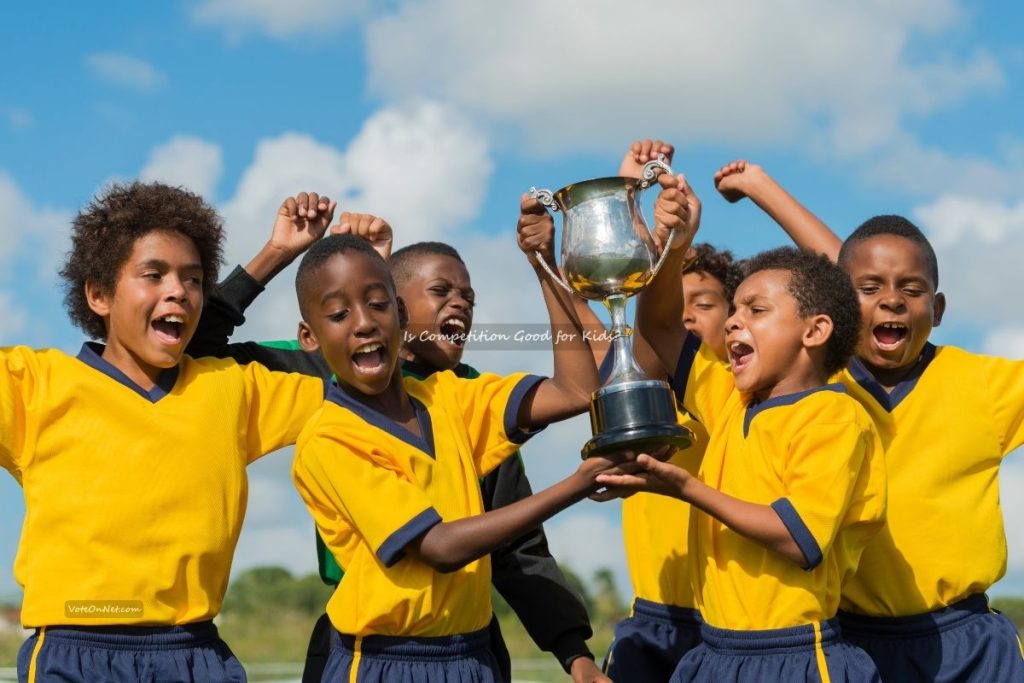
These realities sharpen the central balancing act behind the pros and cons of competition for kids: competition can inspire or injure depending on expectations, structure, and adult behavior.
Pros and Cons of Competition for Kids (At a Glance)
To make decisions, many parents prefer a side-by-side look at the pros and cons of competition for kids:
Pros
- Motivation to practice and persevere
- Clear feedback loops (try → test → adjust)
- Social learning: teamwork, rules, and sportsmanship
- Opportunities to set and reach personal goals
- Resilience through safe exposure to losing and recovery
Cons
- Heightened anxiety and fear of failure
- Over-focus on results → negative effects of competition on children (shame, self-doubt)
- Risk of youth sports pressure on kids from adults
- Social comparison that undermines intrinsic motivation
- Burnout, injuries, or dropout when load exceeds readiness
Summarizing the pros and cons of competition for kids helps families choose formats that fit their child’s temperament, age, and context.
And yes, amid this balance, it’s fair to ask again: is competition good for kids across school, sport, and the arts? It can be—when adults design for learning, not just for winning.
Finding the Sweet Spot: How Adults Can Make Competition Healthy
Adults shape the climate more than any scoreboard. Here’s how to tilt the experience toward growth.
👉 “Want to give your little ones the best start in life? Don’t miss our guide on Raising Healthy Kids: Nutrition, Fitness, Mental Wellness Guide.”
Praise process over results
Shift from “You won!” to “Your practice on first-touch passing really showed today.” Praising process vs results for kids keeps attention on controllable behaviors.
Set age-appropriate goals and minutes
Match challenge to readiness. Gradually increase intensity and complexity; avoid loading kids with adult-level schedules.
Normalize losing and model coping
After tough days, ask: “What did we learn?” Use coping with losing for children strategies—deep breaths, short debriefs, and a plan for next time.
Keep communication clear and calm
Managing sideline parent behavior matters. Cheering should be positive and brief; coaching belongs to the coach. Kids need one voice during play.
Blend competitive and cooperative formats
Rotate in cooperative games for kids—relay challenges, team puzzles, peer-coaching stations. This prevents “always on” pressure and teaches collaboration.
Prioritize inclusion
Offer inclusive youth sports alternatives (modified rules, mixed-skill drills) so late-starters and shy children feel welcome. Confidence blooms when participation is accessible.
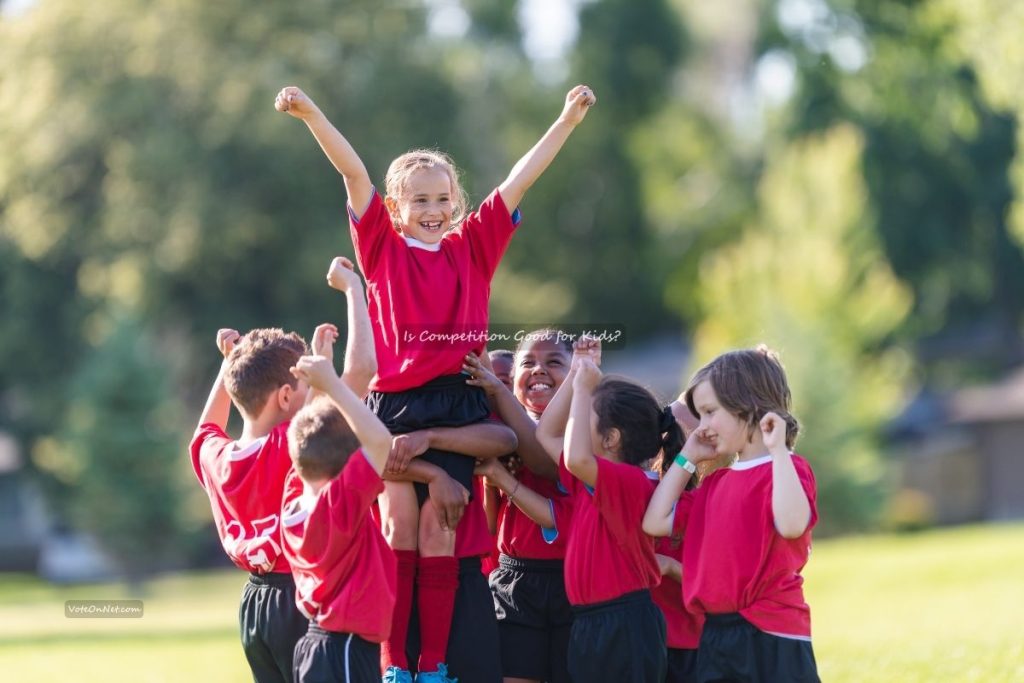
Parents often ask, is competition good for kids when they emphasize effort over outcome. The answer grows more positive as adults reinforce progress, inclusion, and fun.
Culture & Context: Thailand, Asia, and Beyond
Cultures differ in how they frame achievement. In parts of East and Southeast Asia, academic competition can be intense. In Thailand, for instance, school festivals, sports days, and community tournaments sit alongside rigorous exam preparation. Families may ask: in high-pressure exam cultures, is competition good for kids or does it crowd out creativity?
A practical approach blends tradition with balance:
- Celebrate festivals and house leagues that spotlight fair play and community pride.
- Encourage arts and service competitions that reward teamwork and solution-finding, not just speed or scores.
- In classrooms, mix classroom competition activities pros and cons by alternating quizzes with collaborative projects.
- Invite elders to share stories where perseverance—not just victory—earned respect, enriching the narrative around success.
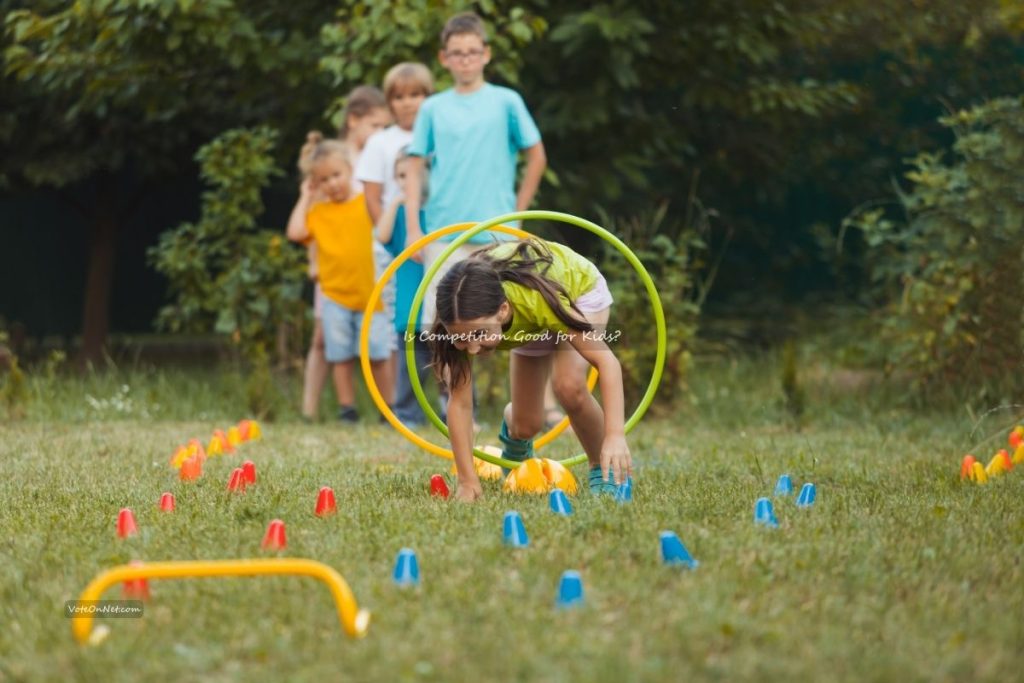
These cultural levers help families retain valued discipline and respect while expanding definitions of achievement. In every context, the question isn’t simply is competition good for kids, but “how do we make it good?”
Red Flags: When to Pause or Pivot
Even with best intentions, some signs signal the need to slow down:
- Persistent dread before practices or tests
- Recurrent injuries, sleep trouble, or appetite changes
- Harsh self-talk (“I’m useless if I don’t win”)
- Conflicts with friends or teammates over rankings
- Coaches or parents who shame mistakes
If you notice these, shift toward low-stakes games, adjust training loads, and revisit goals. In some cases, a break or new coach rekindles motivation.
Practical Playbook for Parents & Coaches
Use this checklist to keep competition healthy week-to-week.
- Define the win. Aim for one skill goal per cycle (e.g., “clean form on 8 serves”).
- Micro-reflect. Two questions after events: “What worked?” “What’s one change next time?”
- Language audit. Replace “Did you win?” with “What did you learn?”
- Rotate roles. Let kids captain, referee, and time-keep to build empathy and rule literacy.
- Schedule sanity. One sport per season for younger kids; rest days are training too.
- Celebrate character. Spotlight respect, effort, and teamwork awards alongside medals.
- Invite voice. Ask children how they want to measure progress this month.
When adults follow this playbook, the pros and cons of competition for kids tilt decisively toward growth, belonging, and joy.
Conclusion: A Balanced Answer for a Big Question
So, is competition good for kids? It can be a powerful teacher when adults keep goals skill-centered, praise effort, and protect joy. It can also wound when results eclipse learning, when comparison dominates, or when schedules ignore readiness.
If you hold both truths at once—the pros and cons of competition for kids—you’re ready to design experiences that fit your child: formats that challenge without crushing, scoreboards that inform but don’t define, and communities where every child sees a path to belong. That balance doesn’t happen by accident; it happens because parents, teachers, and coaches choose it—week after week, game after game, class after class.
❓ 5 FAQs
1. Is competition good for kids in school and sports?
Yes, competition can be good for kids when it’s structured around learning, effort, and sportsmanship. It builds resilience, motivation, and teamwork, but must avoid toxic pressure and unfair comparison.
2. What are the main pros and cons of competition for kids?
The pros of competition for kids include goal setting, confidence, and resilience. The cons are stress, anxiety, and potential burnout. Balancing fun, fairness, and inclusivity is key.
3. How can parents teach kids about healthy competition?
Parents can encourage healthy competition for kids by praising effort over outcomes, modeling fair play, teaching coping strategies for losing, and balancing competitive activities with cooperation.
4. Can competition negatively affect child development?
Yes, the negative effects of competition on children include perfectionism, stress, and loss of intrinsic motivation. However, with supportive coaching and realistic goals, these risks can be reduced.
5. At what age should children start competitive sports?
Experts suggest starting youth sports competition gradually around age 6–8, focusing on fun and skill-building first. The emphasis should be on inclusion, teamwork, and personal growth, not just winning.