



- Introduction
- What Festivals Mean for Humanity
- Major Cultural Festivals: Rhythm, Food, and Belonging
- Major Religious Festivals: Light, Water, Fasting, and Renewal
- Festivals of Unity & Identity: Ancestors, Water, and Color
- Modern Trends: Sustainability, Family Zones, and Digital Access
- Travel & Participation Guide: Plan, Pack, and Practice Respect
- Conclusion: The Joy We Share
- FAQs
Introduction
Festivals are where stories move from books and temples into the streets. They’re the living rooms of humanity—public spaces where families, neighbors, and travelers gather to share food, rhythm, color, and meaning. When we talk about cultural festivals around the world, we’re really talking about the ways communities pass identity, memory, and hope from one generation to the next. In the same spirit, religious festivals around the world highlight devotion and values through rituals of light, water, fasting, pilgrimage, charity, and prayer.

In this guide you’ll find the roots and rhythms of iconic celebrations, practical etiquette tips, and ways to plan a respectful, family-friendly trip. We’ll touch on community bonding, sustainability, dress codes, and the difference between cultural appreciation and appropriation—so you can join joyfully and thoughtfully wherever your journey takes you.
👉 “Curious how cuisine reflects identity and tradition? Explore our deep dive into Asian Food Culture.”
What Festivals Mean for Humanity
At their heart, festivals are collective storytelling. They condense a community’s history and values into days of dance, food, music, and ritual. When anthropologists describe festivals as “liminal,” they mean life steps outside its usual frame: people switch roles, wear special clothes, offer gifts, and inhabit shared symbols.
This is why many cultural festivals around the world are seasonal (harvest or spring) or symbolic (light or water). Think of ancestral remembrance, rites of renewal, and gratitude for food and rain. Meanwhile, religious festivals around the world foreground devotion: acts of charity, fasting, prayer, pilgrimage, and the retelling of sacred narratives. Both kinds of celebrations braid family time with public life—welcoming grandparents, children, and visitors to a shared stage.
Festivals also renew social bonds. Street vendors, artisans, and volunteers collaborate; neighborhoods and parishes organize processions; musicians, elders, and youth all play distinct roles. In this way, celebrations are practical engines of community resilience, mutual aid, and intergenerational learning.
Major Cultural Festivals: Rhythm, Food, and Belonging
Some festivals are so iconic that their names feel like verbs—moments when a city or region becomes a stage for the world.
Carnival (Rio de Janeiro & Venice). Samba thunders through Rio’s Sambadrome as escolas de samba (samba schools) compete with months-in-the-making costumes and floats. In Venice, masked balls and canal processions return the city to its Renaissance dreaming. If you’re curious how cultural festivals around the world mix artistry and identity, Carnival is the archetype: rehearsals all year, then an explosion of craft, choreography, and neighborhood pride.
Oktoberfest (Munich). What began as a royal wedding celebration in 1810 evolved into a global symbol of gemütlichkeit (warm conviviality). Families flock to funfairs, traditional bands fill the air, and breweries showcase seasonal lagers. Food—pretzels, roasted chicken, and sausages—anchors memory as much as music. Among cultural festivals around the world, Oktoberfest exemplifies how regional traditions become international ambassadors.

Cherry Blossom Festivals (Japan & beyond). Hanami, the practice of flower viewing, frames cherry blossoms as a meditation on impermanence. Parks become picnic commons, with bento boxes, tea, and poetry. Washington, D.C.’s festival—gifted trees from Japan—echoes this sentiment, showing how shared symbols cross oceans. For travelers mapping cultural festivals around the world, cherry blossom season is a masterclass in seasonal etiquette: slow down, look up, and share the shade.
Edinburgh Festival (Scotland). Theater, comedy, music, and street performance overflow in August, turning alleys into stages. It’s a reminder that culture isn’t only preserved; it’s created in real time, with artists and audiences co-making the experience.
Cultural appreciation vs. appropriation. Appreciating a culture means learning, crediting, and participating respectfully—asking locals about dress codes, tipping performers, buying artisan goods directly, and avoiding sacred symbols as fashion. Appropriation happens when sacred motifs are borrowed without context or when stereotypes are amplified for entertainment. If you’re navigating cultural festivals around the world, pause to ask: “Who created this? Who benefits? Am I honoring the meaning?”
Family-friendly pointers. Many events create daytime programs for children, designate quieter viewing areas, and offer craft workshops. Look for family zones, book tickets early, and carry ear protection for little ones.
Major Religious Festivals: Light, Water, Fasting, and Renewal
The calendar of devotion is a global atlas of meaning—woven from stories, virtues, and shared rituals that shape how communities live together.
Religious Festivals Around the World: A Global Tapestry
Across continents, religious festivals around the world invite gratitude, humility, and generosity. They center the sacred through story, symbol, and service—reminding participants that joy is strongest when shared.
Diwali (India & diaspora). The “festival of lights” celebrates the triumph of light over darkness, knowledge over ignorance. Families clean homes, exchange sweets, light diyas (lamps), and visit temples. Fireworks sparkle above streets strung with marigolds. Many travelers experience hospitality firsthand as neighbors invite them to partake—proof that religious festivals around the world often double as hospitality lessons.

Ramadan & Eid al-Fitr (Muslim world). Ramadan is a month of fasting, reflection, and charity. Nights bloom with iftar meals and taraweeh prayers; markets and streets grow festive as Eid approaches. Eid al-Fitr, the “feast of breaking the fast,” is marked by new clothes, family visits, and almsgiving. In learning about religious festivals around the world, guests should remember: ask before photographing prayers, dress modestly, and join respectfully when invited.
Christmas & Easter (Christianity). Christmas layers nativity drama, carols, and charity drives with family feasts and midnight services. Easter—preceded by Lent—centers on renewal and hope, often celebrated with processions and sunrise services. Cathedrals and neighborhood parishes alike become hubs for music and service projects.
Hanukkah (Judaism). Eight nights of candle-lighting commemorate resilience and dedication. Families gather for songs, games like dreidel, and foods fried in oil, such as latkes and sufganiyot, symbolizing the miracle of light.
Vesak (Buddhism). Celebrating the Buddha’s birth, enlightenment, and passing, Vesak is observed with temple visits, meditation, lanterns, and acts of compassion—releasing animals, donating to the poor, and cultivating mindfulness.
These examples show how religious festivals around the world transform ordinary spaces into places of reflection and joy—and how visitors, when considerate, can participate meaningfully.
Festivals of Unity & Identity: Ancestors, Water, and Color
Not every celebration fits neatly into “cultural” or “religious.” Many weave both strands, expressing identity through remembrance, renewal, and play.
Día de los Muertos (Mexico). Families create altars (ofrendas) with marigolds, sugar skulls, candles, and favorite foods of loved ones. Rather than morbid, the mood is tender and celebratory—music, parades, and nighttime cemetery visits. It’s a luminous way to teach children that memory is love made visible, a lesson echoed across cultural festivals around the world.
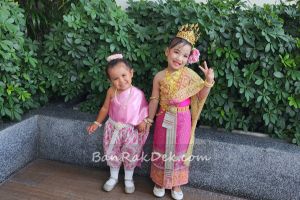
Songkran (Thailand). The Thai New Year marks renewal through water. Mornings bring temple visits and merit-making; afternoons burst into water-splashing fun on city streets. Respectful etiquette includes avoiding monk and temple grounds during water play, dressing modestly, and protecting phones with waterproof pouches. Travelers often compare Songkran’s energy to other religious festivals around the world that blend devotion with public joy.
👉 “Planning to join a water fight like no other? Don’t miss our guide on The Complete Guide To Songkran: Thailand’S Water Festival.”

Holi (India & diaspora). Known as the Festival of Colors, Holi celebrates spring and the victory of good over evil. People throw colored powders, dance, and share sweets—bridging differences in a joyful social reset. Ask permission before smearing color on strangers, wear clothing you can stain, and keep safe spaces for children.
Pilgrimage, harvest, and light. From Ethiopia’s Timkat processions to Mongolia’s Naadam games, from Thanksgiving-style harvest feasts to lantern festivals in Taiwan, themes of water, fertility, athletic prowess, gratitude, and illumination repeat. Harvest festivals celebrate the work of many hands; light festivals remind us that hope can be kindled and shared.
Modern Trends: Sustainability, Family Zones, and Digital Access
Festivals evolve with their communities.
Eco-friendly celebrations. Organizers increasingly mandate reusable cups, ban single-use plastics, and commission biodegradable confetti. Volunteer “green teams” help with waste sorting; vendors are encouraged to source locally and reduce packaging. If you want to support sustainability while enjoying cultural festivals around the world, bring your own bottle, choose public transit, and patronize artisans who use reclaimed or traditional materials.

Inclusive design. Family-friendly zones, sensory-friendly spaces, stroller parking, and accessible viewing platforms are now common. Scheduling quieter morning programs invites elders and young children to participate comfortably.
Digital participation. Livestreams and hybrid events let diaspora communities join processions or temple ceremonies virtually—an emerging mode for religious festivals around the world as well. Archival video also preserves songs, dances, and oral histories for future generations.
Travel & Participation Guide: Plan, Pack, and Practice Respect
When to go. Use a festival calendar by month to spot peak dates (spring for cherry blossoms, autumn for harvest, winter for light festivals). Book accommodations early, especially in smaller towns where guesthouses fill quickly.
What to wear. When in doubt, err on the side of modest, breathable layers. Pack a scarf or shawl for religious spaces; choose comfortable shoes for long processions; consider a waterproof pouch or dry bag for water events like Songkran. If you’re joining cultural festivals around the world, local textiles (bought from artisans) are a beautiful way to honor place without borrowing sacred attire.
Etiquette & photography. Ask before photographing rituals or individuals, especially children and elders. Avoid blocking processions or shrines; step aside for worshipers. In many settings during religious festivals around the world, silence phones, remove hats, and observe prayer etiquette (e.g., shoes off in temples, covering shoulders in churches or mosques).
Budget & safety. Free community events abound, but plan for transit surcharges, special routes, and food stalls. Carry small cash for donations and tips. Use cross-body bags, drink water frequently, set family meeting points, and teach children how to identify volunteers or police if separated.
Give back. Volunteer shifts, temple cleanups, and charity drives are common. Buying directly from artisans keeps culture alive—your souvenir money becomes a micro-grant to tradition bearers.
Conclusion: The Joy We Share
Festivals remind us that joy is a social project—co-created by singers, cooks, priests, dancers, aunties, kids, and travelers with open hearts. Whether you’re mapping cultural festivals around the world for a family trip or learning through your neighborhood’s parade, you’re stepping into humanity’s favorite classroom. The lessons are simple and profound: light pushes back the dark; gratitude multiplies when shared; communities grow stronger when we celebrate respectfully together.
FAQs
1) How do I start planning a trip around cultural events?
Build a shortlist by season and region, then check official city or temple pages for dates and etiquette. When targeting cultural festivals around the world, book early, learn a few local phrases, and scan community forums for family-friendly tips.
2) What’s the difference between cultural and religious festivals?
Cultural celebrations typically highlight heritage, harvest, language, or national identity. Religious festivals around the world center devotion—prayer, fasting, sacred stories—though many events blend both threads.
3) How can I be respectful when joining a festival?
Dress modestly for shrines or churches, ask before photographing, avoid sacred symbols as fashion, and buy from local artisans. If you’re unsure, watch first, then follow local cues.
4) Are these events suitable for kids?
Yes—look for daytime programs, quieter viewing zones, and children’s workshops. Bring ear protection, snacks, and a meet-up plan in case someone gets separated.
5) What should I pack for water or color-throwing festivals?
Quick-dry clothing, protective cases for phones, and eyewear. For Holi, use non-toxic powders; for water events, agree on “no-splash” zones for elders and small children.
6) How can my spending support community well-being?
Buy from vendors with transparent sourcing, tip performers where appropriate, and donate to festival cleanups or temple charities. Your choices help tradition bearers keep the celebration alive.